MS Dhoni And The Unheard Toss Story That Rocked 2011 World Cup Final – The 2011 World Cup Toss Controversy: A Look Back at the Historic Moment
A Tale of Two Tosses: From Wankhede to New Chandigarh
In the high-pressure environment of professional cricket, every detail counts—even the flip of a coin. Recently, the cricketing world was reminded of a peculiar moment from the past during the IPL 2026 Qualifier 2 in New Chandigarh. As Gujarat Titans captain Shubman Gill and Rajasthan Royals skipper Riyan Parag stepped out for the toss, a moment of confusion ensued that felt eerily familiar to those who witnessed the 2011 ICC Cricket World Cup final.
While the stakes differ between a domestic league qualifier and the pinnacle of international cricket, the occurrence of a ‘re-toss’ remains a rarity that sparks instant debate among fans and pundits alike. To understand the gravity of the recent IPL incident, one must look back at the original controversy involving two legends of the game: MS Dhoni and Kumar Sangakkara.
The 2011 World Cup Final: A Confusion at the Wankhede
On April 2, 2011, the atmosphere inside Mumbai’s Wankhede Stadium was electric. The co-hosts, India, were preparing to face Sri Lanka in a match that would decide the fate of the World Cup trophy. As the two captains, MS Dhoni and Kumar Sangakkara, walked out to the middle accompanied by match referee and commentator Ravi Shastri, nobody expected the proceedings to be delayed by a coin.
Dhoni spun the coin, and it landed on heads. However, the immediate reaction from the match officials was one of hesitation. They claimed that they had not heard Sangakkara’s call clearly. Consequently, the first toss was declared null and void, an unprecedented decision on the world’s biggest cricketing stage. The coin was tossed again, and once more, Sangakkara called heads. This time, the call was accepted, the coin favored Sri Lanka, and the visitors opted to bat first.
It was later noted that replays suggested Sangakkara had indeed called ‘heads’ the first time, and his voice was even picked up by the broadcast producers. Despite the confusion, the match proceeded to become a classic, though the toss incident remained a curious footnote in cricket history.
The IPL 2026 Parallel
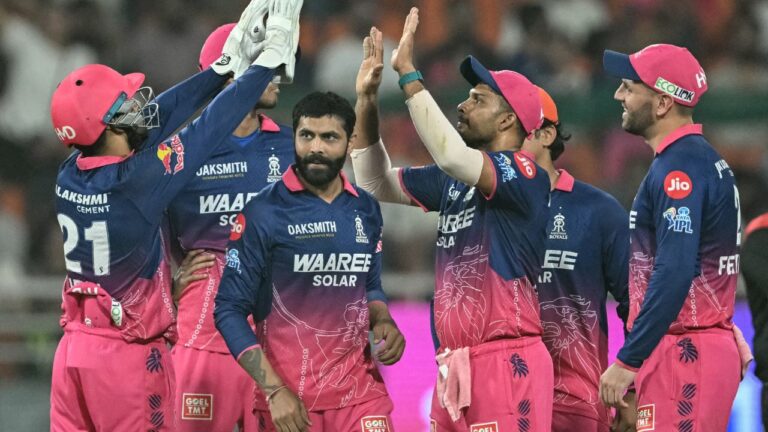
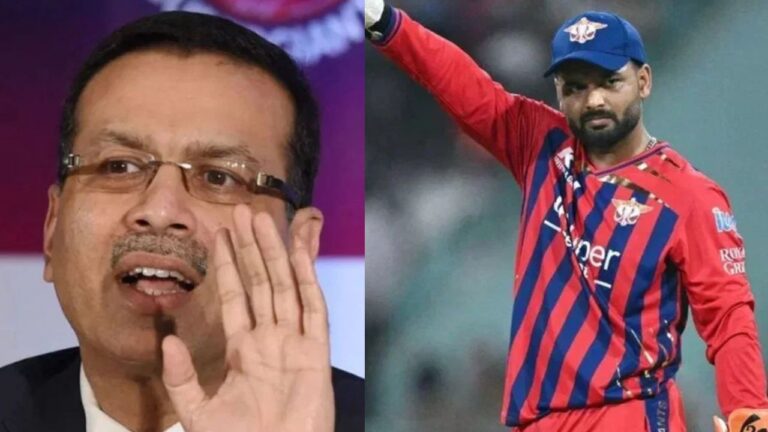
Fast forward to May 29, 2026, at the Mullanpur Stadium. During the Qualifier 2 of the IPL, a near-identical scenario unfolded. Shubman Gill spun the coin for the Titans, and Riyan Parag called heads. Much like the 2011 final, the officials intervened, stating that Parag’s call was not ‘loud enough.’ The coin was tossed a second time, and again, Parag called heads and won the right to bat first.
The similarities were striking. Beyond the re-tossed coin, the presence of Ravi Shastri—who was also involved in the 2011 spectacle—added a layer of poetic irony. Furthermore, the irony was deepened by the fact that Kumar Sangakkara, the man who called heads in 2011, is currently serving as the head coach for the Rajasthan Royals.
Legacy and the Final Result
In 2011, any lingering frustration regarding the toss was quickly overshadowed by the majesty of the match itself. India chased down the target, culminating in an iconic finish where MS Dhoni struck a towering six off Nuwan Kulasekara to secure India’s first World Cup title in 28 years. That moment ensured that the ‘toss controversy’ became nothing more than a trivia question rather than a defining narrative of the final.
Whether it is the 2011 World Cup final or an IPL qualifier, these moments serve as a reminder that even at the highest levels of professional sport, the human element—and the occasional technical hiccup—can lead to moments that stay etched in the memory of cricket fans for years to come. Ultimately, it is the performance on the field that defines a player’s legacy, just as Dhoni’s historic knock silenced any lingering discussions about the events of the pre-match coin flip.

Related Articles